

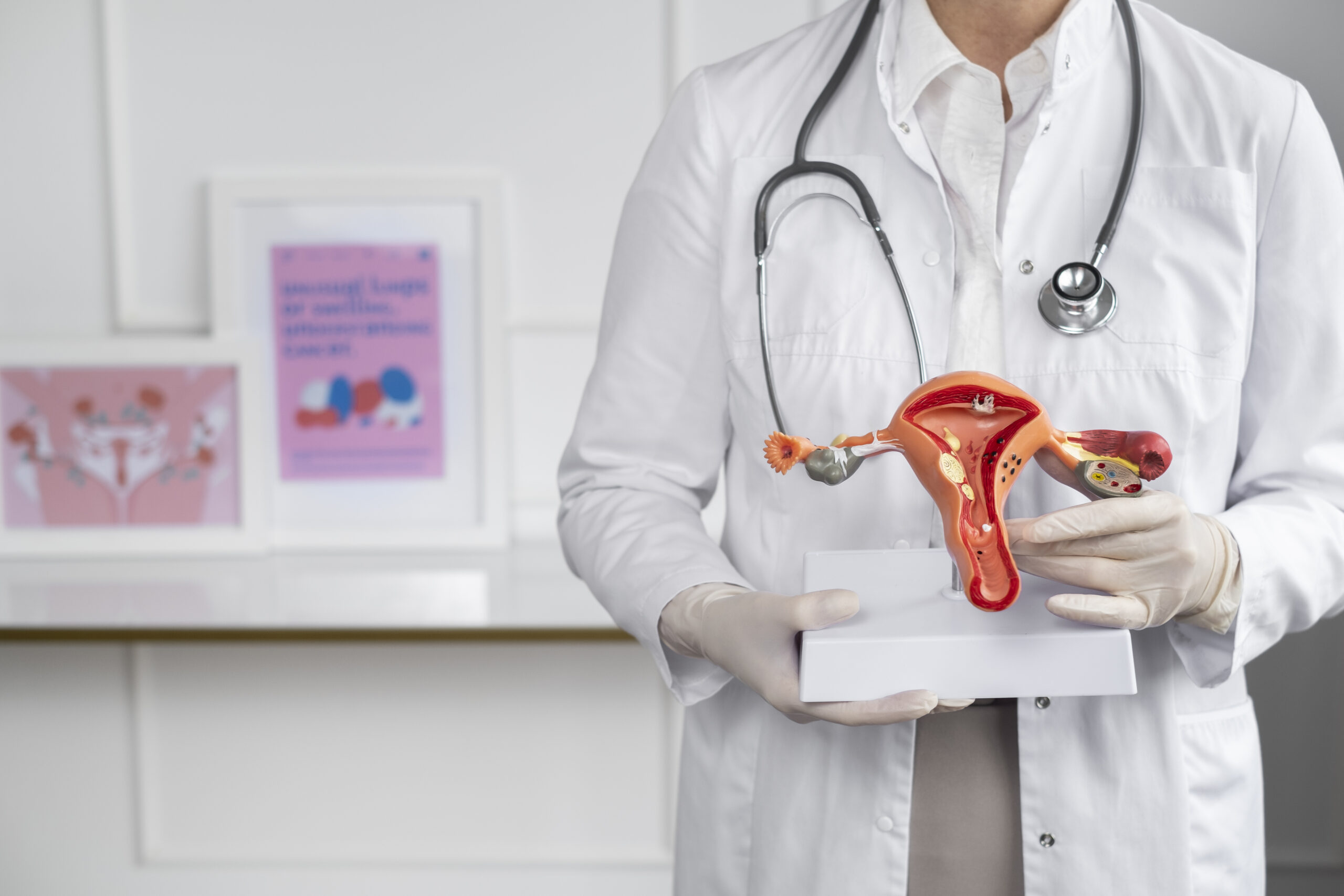
06 Apr 5 Common Gynecological Issues and How to Address Them: Insights from Delhi’s Best Gynecologist


Gynecological issues are a common concern for women of all ages. From menstrual irregularities to reproductive health problems, these conditions can affect women’s physical and emotional well-being. In this blog post, we will discuss five common gynecological issues and how to address them, based on insights from Dr. Usha M Kumar – Delhi’s best gynecologist.
1. Menstrual Irregularities: Menstrual irregularities are a common concern for many women. These can include heavy bleeding, missed periods, or irregular cycles. According to Dr. Usha M Kumar, a leading gynecologist in Delhi, menstrual irregularities can be caused by a variety of factors, such as hormonal imbalances, stress, thyroid issues, or underlying medical conditions. Treatment options may include hormonal medications, lifestyle changes, or surgery in severe cases.
2. Polycystic Ovary Syndrome (PCOS): PCOS is a hormonal disorder that affects many women, especially those of reproductive age. Symptoms can include irregular periods, weight gain, acne, and excessive hair growth. Dr. Usha notes that while the exact cause of PCOS is unknown, it is often related to insulin resistance and hormonal imbalances. Treatment options may include lifestyle changes, medications to regulate hormones and blood sugar levels, or surgery in rare cases.
3. Urinary Tract Infections (UTIs): UTIs are a common bacterial infection that can affect the urinary tract, including the bladder and urethra. Symptoms can include pain or burning during urination, frequent urination, or lower abdominal pain. Dr. Usha emphasizes that UTIs should be treated promptly to avoid complications. Treatment options may include antibiotics and lifestyle changes to prevent recurrence.
4. Pelvic Inflammatory Disease (PID): PID is an infection of the female reproductive organs, including the uterus, fallopian tubes, and ovaries. It can be caused by sexually transmitted infections or other bacteria. Symptoms can include pelvic pain, fever, and unusual vaginal discharge. Dr. Usha notes that PID can lead to infertility if left untreated. Treatment options may include antibiotics, pain management, and surgery in severe cases.
5. Fibroids: Fibroids are non-cancerous growths that can develop in the uterus. They are often asymptomatic, but in some cases, they can cause heavy bleeding, pain, or pressure on nearby organs. Dr.Usha notes that fibroids can be caused by hormonal imbalances and genetic factors. Treatment options may include medications to regulate hormones or surgery to remove the fibroids or the uterus.
Wrapping Up….
In conclusion, gynecological issues are a common concern for many women. However, with proper diagnosis and treatment, these conditions can be managed effectively. If you are experiencing any gynecological issues, it is important to seek medical attention from a trusted and experienced gynecologist. Dr. Usha M Kumar is a leading gynecologist in Delhi with extensive experience in treating a wide range of gynecological issues.
FAQs: Answered by Dr Usha M Kumar – Best Gynecologist in Delhi
1. What are the most common gynecological problems in women?
Common issues include PCOS, irregular periods, infections, fibroids, and endometriosis.
2. When should I consult a gynecologist?
You should see a gynecologist if you have irregular periods, pelvic pain, unusual discharge, or difficulty conceiving.
3. Are irregular periods a serious concern?
Occasional irregularity is normal, but persistent changes may indicate hormonal imbalance or PCOS.
4. What causes PCOS and how is it treated?
PCOS is caused by hormonal imbalance and is managed through lifestyle changes, medications, and medical supervision.
5. How can I prevent gynecological infections?
Maintain good hygiene, practice safe sex, wear breathable clothing, and avoid using harsh products.
6. What are fibroids and do they need treatment?
Fibroids are non-cancerous growths in the uterus. Treatment depends on symptoms and size.
7. Is pelvic pain always related to gynecological issues?
Not always, but persistent pelvic pain should be evaluated by a gynecologist.
8. Can gynecological problems affect fertility?
Yes, conditions like PCOS, endometriosis, and fibroids can impact fertility if not treated.
9. How often should women visit a gynecologist?
It’s recommended to have a check-up at least once a year or as advised by your doctor.
10. Can lifestyle changes improve gynecological health?
Yes, a healthy diet, regular exercise, stress management, and proper sleep can help maintain hormonal balance.







Sorry, the comment form is closed at this time.