

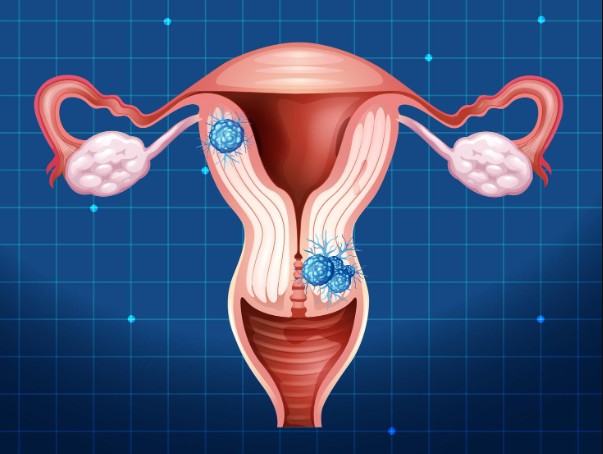
04 Feb Comprehensive Guide to Women’s Annual Health Check-ups with a Gynecologist in Delhi


Women’s health needs evolve through different stages of life, from adolescence and reproductive years to menopause and beyond. Despite busy schedules and competing priorities, regular annual health check-ups with a qualified gynecologist are one of the most important steps women can take to safeguard their long-term wellbeing. Dr. Usha M Kumar, an experienced gynecologist and robotic surgeon in Delhi, emphasizes preventive care and early detection as the foundation of modern women’s healthcare.
This guide explains why annual gynecological visits matter, what to expect during an examination, and how these check-ups contribute to a healthier life.
Why Annual Gynecological Check-ups Are Essential
Many gynecological conditions develop silently, without obvious symptoms in the early stages. Disorders such as cervical abnormalities, hormonal imbalances, ovarian cysts, fibroids, and even certain cancers may progress unnoticed.
Annual check-ups help:
- Detect diseases early
- Prevent complications
- Monitor reproductive health
- Address menstrual irregularities
- Evaluate hormonal balance
- Provide contraceptive guidance
- Support sexual health
- Promote overall wellness
Preventive visits are not only for women experiencing problems. Even women who feel perfectly healthy benefit from routine screening.
When Should Women Start Annual Visits?
Most women are advised to begin gynecological consultations:
- After the onset of menstruation (teen years)
- When sexually active
- By age 21 for Pap smear screening
- Earlier if symptoms occur
Regular follow-ups continue throughout adulthood and are particularly important during pregnancy planning, after childbirth, and around menopause.
What Happens During an Annual Gynecological Check-up?
A comprehensive exam is designed to evaluate overall reproductive and hormonal health. While the exact components may vary depending on age and medical history, typical visits include:
1. Detailed Medical History
Dr. Usha M Kumar begins by understanding:
- Menstrual cycle patterns
- Previous medical conditions
- Family health history
- Pregnancy history
- Contraceptive use
- Lifestyle factors
- Current symptoms or concerns
This conversation helps identify risk factors and tailor investigations.
2. General Physical Examination
Basic health indicators are reviewed:
- Blood pressure
- Weight and BMI
- Thyroid evaluation
- Signs of hormonal imbalance
3. Breast Examination
A clinical breast exam checks for:
- Lumps
- Skin changes
- Tenderness
- Abnormal discharge
Women may also receive guidance on self-breast examination techniques.
4. Pelvic Examination
This assesses:
- Uterus
- Ovaries
- Cervix
- Vaginal health
The exam helps detect infections, cysts, fibroids, or structural abnormalities.
5. Pap Smear (Cervical Cancer Screening)
Recommended for most women starting at age 21, the Pap smear detects abnormal cervical cells before they progress into cancer.
Early detection dramatically improves treatment outcomes.
6. Ultrasound (If Indicated)
Pelvic ultrasound may be advised for:
- Irregular periods
- Pelvic pain
- Fibroids
- Ovarian cysts
- Fertility evaluation
7. Hormonal Assessment
Blood tests may evaluate:
- Thyroid function
- PCOS indicators
- Reproductive hormones
- Menopause-related changes
Key Benefits of Regular Check-ups
Early Disease Detection
Conditions like cervical cancer, endometriosis, fibroids, and ovarian cysts are easier to manage when diagnosed early.
Prevention of Serious Complications
Untreated gynecological problems can lead to:
- Chronic pain
- Infertility
- Anemia
- Hormonal disorders
- Pregnancy complications
Menstrual Health Management
Irregular cycles, heavy bleeding, painful periods, or PMS symptoms can be evaluated and treated effectively.
Fertility & Reproductive Planning
Women planning pregnancy benefit from:
- Preconception counseling
- Hormonal assessment
- Lifestyle guidance
- Identification of underlying issues
Contraceptive Guidance
A gynecologist helps select safe and suitable birth control methods based on age, health, and lifestyle.
Menopause Care
Annual visits during perimenopause and menopause help manage:
- Hot flashes
- Mood changes
- Sleep disturbances
- Bone health
- Hormonal therapy decisions
Common Issues Identified During Check-ups
- PCOS (Polycystic Ovary Syndrome)
- Uterine fibroids
- Endometriosis
- Vaginal infections
- Cervical abnormalities
- Hormonal imbalance
- Ovarian cysts
- Thyroid disorders
Early diagnosis leads to better outcomes and often less invasive treatments.
Overcoming Hesitation About Gynecological Visits
Many women delay check-ups due to:
- Fear or anxiety
- Embarrassment
- Lack of symptoms
- Busy lifestyle
Dr. Usha M Kumar ensures a respectful, comfortable, and confidential environment. Open communication helps reduce anxiety and build trust.
How Often Should You Visit a Gynecologist?
For most women:
- Once a year for routine check-up
- More frequently if symptoms exist
- During pregnancy as advised
- During menopause for monitoring
Individual recommendations vary based on health status.
Frequently Asked Questions (FAQs)
1. Are annual gynecological check-ups necessary if I feel healthy?
Yes. Many conditions develop without early symptoms.
2. Is a pelvic exam painful?
Most women experience minimal discomfort. Relaxation helps.
3. How often should I get a Pap smear?
Generally every 3 years, depending on age and previous results.
4. What should I avoid before a gynecological exam?
Avoid intercourse, vaginal medications, or douching 24–48 hours prior if a Pap smear is planned.
5. Can I visit during my periods?
Routine visits are best scheduled when not menstruating, though urgent issues can be evaluated anytime.
6. What symptoms require immediate consultation?
- Severe pelvic pain
- Abnormal bleeding
- Missed periods
- Unusual discharge
- Persistent itching or burning
7. Do young women need gynecological visits?
Yes, especially for menstrual concerns, PCOS, or hormonal issues.
8. How do check-ups help with fertility?
They identify ovulatory, hormonal, or structural issues early.
9. Are breast exams included in gynecological check-ups?
Yes, clinical breast exams are often performed.
10. Why choose Dr. Usha M Kumar for women’s health check-ups in Delhi?
Her expertise, patient-focused care, and comprehensive evaluation approach make her a trusted choice for women across all age groups.
Final Thoughts
Women’s annual health check-ups are not merely routine appointments; they are an essential investment in long-term health. Preventive care allows early detection, timely intervention, and personalized management of gynecological and hormonal conditions.
Dr. Usha M Kumar advocates a proactive approach where women feel empowered, informed, and confident about their health decisions. Whether addressing menstrual irregularities, fertility planning, menopausal changes, or preventive screening, regular consultations play a vital role in maintaining physical and reproductive wellbeing.
Prioritizing an annual gynecological visit is one of the simplest yet most impactful steps a woman can take toward a healthier future.







Sorry, the comment form is closed at this time.