

12 Feb Frequently Asked Questions About Robotic Gynecologic Surgery


Robotic gynecologic surgery has rapidly become one of the most significant advancements in modern women’s healthcare. While the technology has transformed surgical precision and patient recovery, many women still have questions about what robotic surgery truly means, how it works, and whether it is the right option for them.
Dr. Usha M Kumar, a leading gynecologist and robotic surgeon in Delhi, frequently addresses these concerns during consultations. This article answers some of the most common questions patients ask, helping women make informed decisions about their treatment.
What Is Robotic Gynecologic Surgery?
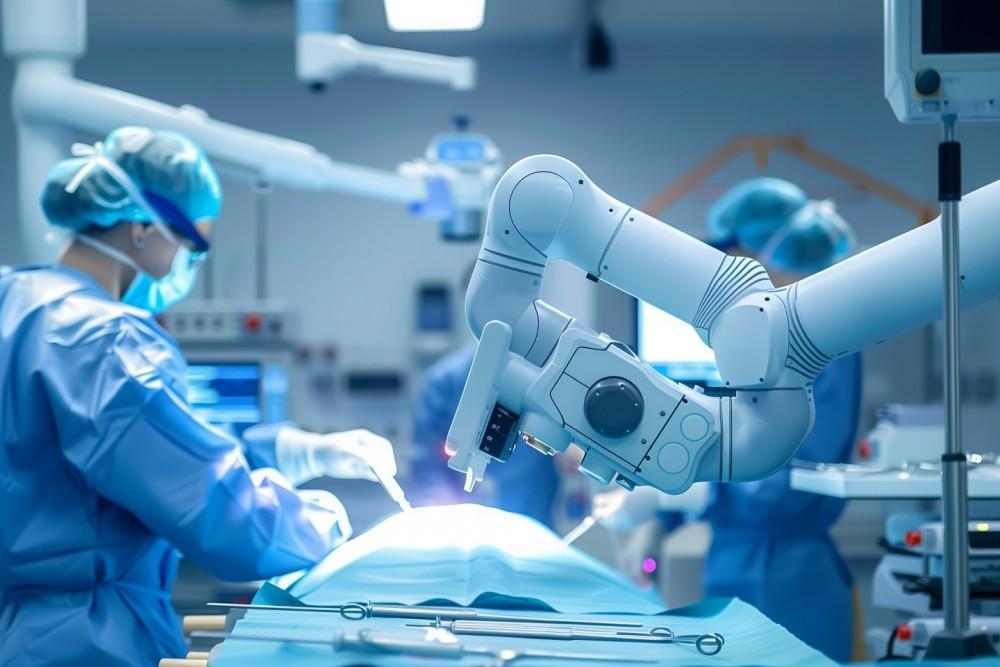
Robotic gynecologic surgery is a type of minimally invasive surgery where the surgeon uses a robotic-assisted system to perform complex procedures with enhanced precision. The surgeon controls robotic arms from a console, guiding instruments that mimic hand movements but with greater accuracy and flexibility.
It is important to understand that the robot does not perform the surgery independently. Every movement is directed by the surgeon.
Why Has Robotic Surgery Become Popular?
Compared to traditional open surgery, robotic techniques offer multiple benefits:
- Smaller incisions
- Reduced blood loss
- Less postoperative pain
- Shorter hospital stays
- Faster recovery
- Minimal scarring
These advantages make robotic surgery particularly appealing for women seeking safer and less traumatic treatment options.
Conditions Commonly Treated with Robotic Surgery
Robotic surgery is used for a variety of gynecological conditions, including:
- Uterine fibroids
- Endometriosis
- Ovarian cysts
- Adenomyosis
- Pelvic organ prolapse
- Hysterectomy
- Myomectomy
- Certain gynecologic cancers
Dr. Usha M Kumar carefully evaluates each patient to determine whether robotic surgery is appropriate.
How Does Robotic Surgery Differ from Laparoscopy?
Both robotic surgery and laparoscopy are minimally invasive techniques, but robotic systems provide:
- 3D high-definition visualization
- Greater instrument dexterity
- Tremor filtration
- Enhanced precision in delicate areas
This makes robotic surgery especially beneficial for complex or technically demanding procedures.
Is Robotic Surgery Safe?
Yes, robotic surgery is considered very safe when performed by an experienced surgeon. In fact, it often reduces complications associated with open surgery, such as excessive bleeding or infection.
Safety depends on:
- Surgeon expertise
- Proper patient selection
- Surgical planning
- Hospital protocols
Dr. Usha M Kumar follows strict surgical safety standards to ensure optimal outcomes.
Does Robotic Surgery Hurt Less?
Most patients report less postoperative pain compared to open surgery. Smaller incisions result in reduced tissue trauma, leading to a more comfortable recovery.
Pain levels vary depending on the procedure and individual factors, but overall discomfort is typically lower.
How Long Is the Recovery Period?
Recovery time depends on the type of surgery performed. However, robotic surgery usually allows:
- Faster mobility
- Shorter hospital stay
- Earlier return to work
- Quicker resumption of daily activities
Many patients resume normal routines within a few weeks.
Will There Be Visible Scars?
Robotic surgery involves tiny incisions, often just a few millimeters in size. Scarring is minimal and typically fades significantly over time.
Who Is a Good Candidate for Robotic Surgery?
Not every patient requires robotic surgery. Ideal candidates may include women with:
- Complex gynecologic conditions
- Large fibroids
- Deep endometriosis
- Need for precise tissue preservation
- Preference for minimally invasive treatment
During consultation, Dr. Usha M Kumar evaluates medical history, imaging, and treatment goals before recommending surgery.
Are There Any Risks?
Like all surgical procedures, robotic surgery carries some risks, though complications are relatively uncommon.
Possible risks include:
- Bleeding
- Infection
- Injury to surrounding organs
- Anesthesia-related issues
Choosing an experienced robotic surgeon significantly reduces these risks.
Is Robotic Surgery More Expensive?
Robotic surgery may involve slightly higher costs compared to conventional laparoscopy. However, many patients find the benefits justify the investment due to:
- Faster recovery
- Reduced complications
- Shorter hospital stay
- Quicker return to productivity
Cost discussions are an essential part of pre-surgical counseling.
Does Insurance Cover Robotic Surgery?
Coverage varies depending on the insurance provider and policy details. Patients are advised to check with their insurer. Most hospitals assist with insurance-related queries.
How Should I Prepare for Robotic Surgery?
Preparation typically includes:
- Preoperative evaluation
- Blood tests
- Imaging review
- Medication adjustments
- Fasting instructions
Dr. Usha M Kumar provides detailed guidance tailored to each patient.
What Happens After Surgery?
Postoperative care usually involves:
- Short hospital observation
- Pain management
- Wound care instructions
- Gradual return to activity
- Follow-up visits
Most women experience a smoother and quicker recovery compared to traditional surgery.
Frequently Asked Questions (FAQs)
1. Is robotic surgery performed by a robot?
No. The surgeon is fully in control of the robotic system at all times.
2. What are the main benefits of robotic gynecologic surgery?
Smaller incisions, less pain, reduced blood loss, minimal scarring, and faster recovery.
3. Is robotic surgery safer than open surgery?
In many cases, yes. It often results in fewer complications and quicker healing.
4. How long does robotic surgery take?
Duration varies depending on the complexity of the procedure.
5. How soon can I return to work?
Many patients resume work within 2–4 weeks, depending on the surgery and recovery.
6. Are there age restrictions for robotic surgery?
No strict age limit. Suitability depends on overall health and condition.
7. Can robotic surgery treat fibroids?
Yes. Robotic myomectomy is highly effective for fibroid removal.
8. Is robotic hysterectomy painful?
Most patients experience less pain than with open hysterectomy.
9. Will I need a long hospital stay?
Typically shorter than traditional surgery, often 1–2 days.
10. Why choose Dr. Usha M Kumar for robotic surgery in Delhi?
Her expertise in minimally invasive and robotic gynecologic surgery, patient-centered care, and extensive surgical experience make her a trusted choice.
Final Thoughts
Robotic gynecologic surgery has redefined the standards of modern surgical care for women. It offers greater precision, improved safety, and a more comfortable recovery experience. However, the success of robotic surgery depends not only on technology but also on the surgeon’s skill and clinical judgment.
Dr. Usha M Kumar combines advanced robotic techniques with compassionate, individualized care. By addressing patient concerns, explaining treatment options clearly, and maintaining the highest safety standards, she helps women feel confident and well-informed throughout their surgical journey.
Women considering robotic gynecologic surgery should seek expert consultation to understand whether this innovative approach aligns with their medical needs and personal preferences.







Sorry, the comment form is closed at this time.